
Your terrace is the first surface that faces sunlight, rainfall, moisture, dust, and constant temperature changes. Because of this continuous exposure, it becomes the most common area for cracks, seepage, and leakage. Terrace leakage not only damages the terrace itself but also causes ceiling dampness, peeling paint, fungus growth, and structural weakening inside your home.
This makes professional terrace waterproofing extremely important—especially from experts like Dr. Terrace’s Waterproofing.
Why Do Terraces Leak?
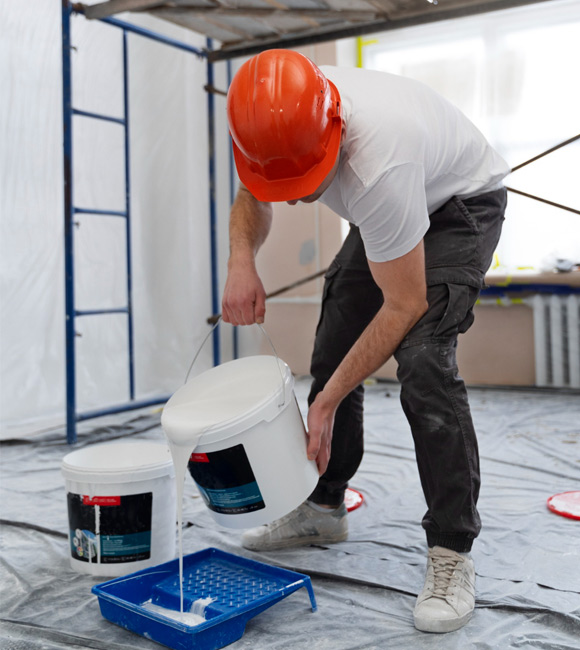
Terraces handle heavy external stress. Over time, this leads to cracks and weakened surfaces. Some major reasons include:
- Heat expansion & contraction of concrete
- Standing water due to an improper slope
- Cracks near parapet walls
- Ageing and weathering of the terrace surface
- Poor or worn-out coatings
- Moisture entering through tile joints (if tiled terrace)
Even a small crack allows rainwater to seep inside, leading to big problems.
Signs Your Terrace Needs Waterproofing
If you notice any of these signs, immediate waterproofing is essential:
- Damp ceiling patches
- Dripping water during rain
- Paint peeling or blistering
- Cracks on the terrace surface
- Wet patches near parapet walls
- Fungal or algae growth
- Water stagnation after rainfall
These are early warnings of a major leakage hazard.
Why Choose Dr. Terrace for Terrace Waterproofing?
Dr. Terrace uses premium-grade waterproofing chemicals combined with advanced application techniques that provide long-lasting protection.
You get:
- High UV-resistant coatings
- Crack-bridging waterproof membrane
- Heat-proof plus waterproof dual protection
- Seamless, flexible coating
- Leak-proof and weatherproof results
- Expert technicians with proven experience
Their waterproofing solutions work for both:
- Concrete terraces, and
- Tiled terraces
Step-by-Step Terrace Waterproofing Process
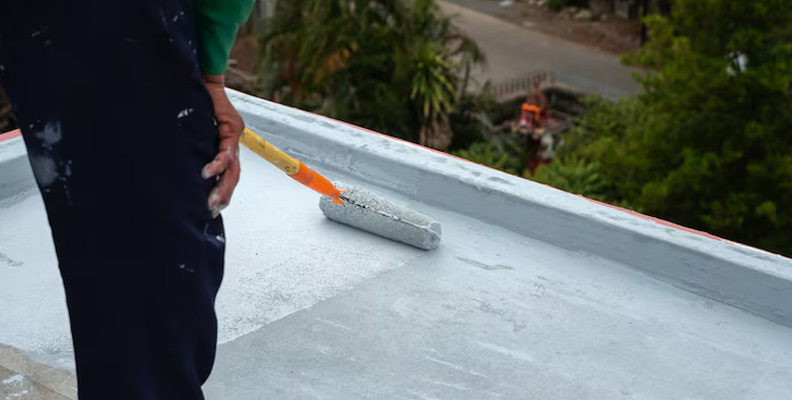
Here’s how Dr. Terrace ensures a perfect, long-lasting job:
1. Terrace Cleaning & Surface Preparation
- Removal of dust, algae, moss, and loose particles
- Surface leveling
- Clearing old chemical layers if damaged
This makes the terrace ready for waterproofing.
2. Crack Filling & Surface Repairs
Deep cracks and joints are filled using:
- PU sealants
- Epoxy crack fillers
- Polymer mortar
This step strengthens the structure before coating.
3. Waterproof Coating Application
A multi-layer waterproofing system is applied depending on the terrace type.
Includes:
- Base coat for bonding
- Reinforced waterproof membrane
- Topcoat with UV-protection
- Optional heat-reflective layer
This creates a seamless, flexible, and strong waterproof barrier.
4. Slope Correction (If Needed)
Water must flow toward the drain.
If the slope is poor, patchwork is done to improve drainage and prevent stagnation.
5. Final Curing & Leak Testing
Once the coating dries completely:
- Water is filled for 24 hours
- The entire surface is checked for seepage
- Terrace becomes fully protected
Benefits of Terrace Waterproofing
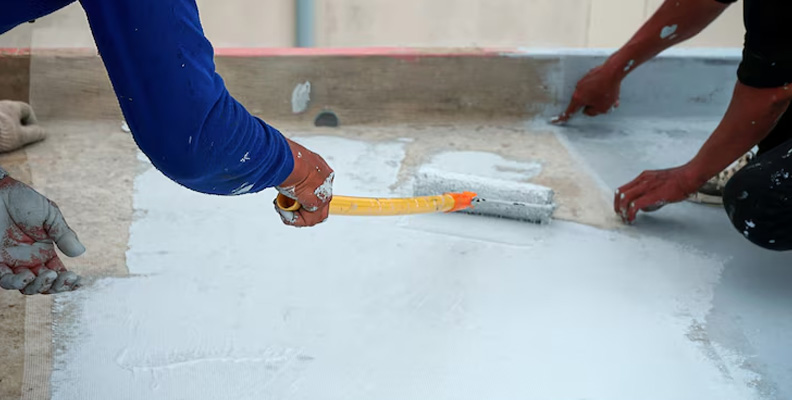
✔ Zero Leakage
Stops all water entry even during heavy rainfall.
✔ Heat Reduction
Heat-reflective coatings make your home cooler.
✔ Crack Protection
Flexible membranes seal and bridge cracks.
✔ Longer Terrace Life
Prevents weather damage and increases durability.
✔ Protects Ceilings & Interior Walls
Prevents dampness, fungus, and structural weakening.
How Often Should Terrace Waterproofing Be Done?
Ideally:
- Every 5–7 years with normal weather
- Every 4–5 years in heavy rainfall areas
Proper maintenance ensures long-term protection.
Conclusion
Terrace waterproofing is not a temporary fix—it is a long-term investment in your home’s safety. With professional materials, advanced techniques, and skilled experts, Dr. Terrace’s Waterproofing ensures your terrace remains leak-free, strong, and weather-resistant for years.
A dry terrace means a healthy home, a stronger structure, and peace of mind.
FAQs
1. Can terrace waterproofing be done without removing the tiles?
Yes, special tile-on-tile waterproof coatings can be applied.
2. How long does terrace waterproofing last?
Between 5 to 8 years, depending on weather and maintenance.
3. Does waterproofing reduce indoor heat?
Yes, heat-proof coatings reduce temperatures by 3–5°C.
4. What if my terrace has big cracks?
Epoxy or PU injection is used to fill and seal major cracks.
5. Can I walk on the terrace after waterproofing?
Yes, after proper curing (usually 24–48 hours), it is safe.