
Water tanks are one of the most important parts of every building, but also one of the most ignored. Whether you have an overhead tank on the terrace or an underground sump tank, even a small crack can lead to heavy leakage, water wastage, contamination, and structural damage.
This is where professional water tank waterproofing from Dr Terrace’s Waterproofing becomes essential.
Why Do Water Tanks Leak?
Water tanks hold water 24/7. Over time, constant pressure and weather exposure weaken the structure. The main causes of leakage include:
- Cracks due to ageing
- Poor construction or weak plaster
- Water pressure is causing micro-cracks
- Chemical reactions in cement
- Welding gaps in concrete joints
- Lack of maintenance
Even a tiny crack can grow and lead to seepage on walls, damp patches, fungus growth, and huge water loss.
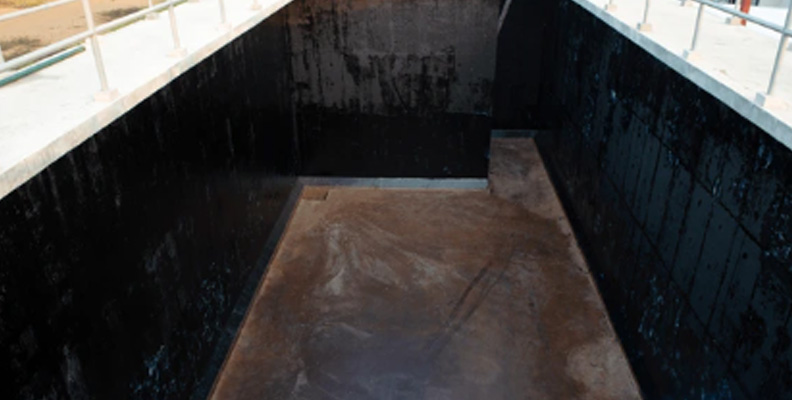
Signs Your Water Tank Needs Waterproofing
If you notice any of these issues, immediate waterproofing is required:
- Wet patches around the tank
- Visible cracks on inner or outer walls
- Reduced water level even when not in use
- Damp ceilings below the tank
- Algae or fungus growth
- Water dripping near the tank outlet
These are early warnings—fixing them quickly saves money and prevents damage.
Why Choose Dr Terrace for Water Tank Waterproofing?
Dr Terrace uses food-grade waterproofing materials, which make the tank 100% safe for drinking water storage. Their service ensures:
- Zero leakage
- Anti-bacterial, non-toxic coating
- High-pressure resistance
- Long-lasting protection
- Smooth, clean tank interiors
- No contamination risk
Their waterproofing solutions protect both Overhead Tanks and Underground Sumps.
Step-by-Step Water Tank Waterproofing Process
Here’s how Dr Terrace professionals handle the job for perfect results.
1. Tank Cleaning & Surface Preparation
- Removing dirt, fungal layers, algae, and loose particles
- Scrubbing and pressure cleaning
- Ensuring the surface is ready for coating
2. Crack Filling & Repair
- Identifying all cracks
- Filling them with epoxy/PU injection grout
- Strengthening the tank structure
3. Application of Food-Grade Waterproof Coating
A special non-toxic, drinking-water-safe coating is applied:
- First layer for bonding
- Second layer for waterproofing
- Third layer for strengthening
This creates a seamless, leak-proof lining inside the tank.
4. Final Curing & Testing
Once the coating dries completely:
- Water is filled for testing
- All joints, sides, and corners are inspected
- The tank becomes fully ready for use
Benefits of Water Tank Waterproofing
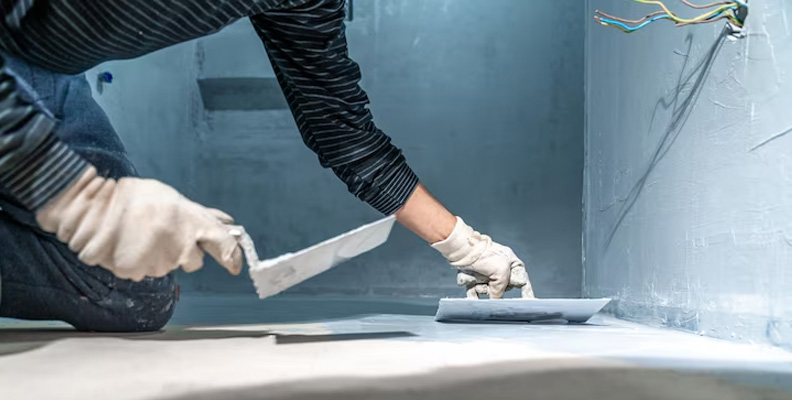
Water tank waterproofing is more than just a repair—it’s protection for your entire home.
✔ No More Leakage
Stops all leakage from cracks, joints, and weak points.
✔ Safe for Drinking Water
Food-grade coating ensures water remains pure and uncontaminated.
✔ Prevents Dampness & Stains
Stops water from seeping into walls, terraces, and ceilings.
✔ Increases Tank Life
Strong coating prevents corrosion and structural damage.
✔ Cost-Effective
A one-time investment saves future repair costs.
How Often Should You Waterproof a Water Tank?
Ideally:
- Every 5–7 years for overhead tanks
- Every 3–5 years for underground sumps
This depends on usage, water quality, and climate.
Conclusion

Water tank waterproofing is one of the smartest decisions you can make for your home’s safety. With high-quality materials and professional application, Dr Terrace’s Waterproofing guarantees long-term protection, purity, and peace of mind.
Your water stays safe.
Your home stays dry.
Your tank stays strong.
FAQs
1. Is the waterproofing material safe for drinking water?
Yes, Dr Terrace uses certified food-grade, non-toxic coatings.
2. Can the tank be used immediately after waterproofing?
Yes, after curing and leak testing, it is safe to fill and use.
3. Does waterproofing remove algae and fungus?
Yes, the tank is cleaned and coated with anti-microbial material.
4. What if there are big cracks in the tank?
Heavy cracks are repaired using PU or epoxy injection grout.
5. How long does water tank waterproofing last?
5–10 years, depending on usage and maintenance.