
Many property owners assume waterproofing is needed only after major leakage occurs. This is one of the biggest mistakes. Waterproofing should be preventive, not reactive.
Another common mistake is choosing low-cost temporary solutions. Cheap coatings may look effective for a few months, but they often fail during heavy rains. When the problem returns, repair costs double. Dr. Terrace Waterproofing focuses on long-term, durable systems instead of short-term patchwork.
Ignoring minor cracks is also risky. Even hairline cracks allow water to penetrate deep inside the slab. Early crack sealing prevents structural weakening and expensive reconstruction later.
Lastly, hiring untrained workers without proper inspection can lead to incomplete solutions. Professional waterproofing requires technical knowledge, correct material selection, and systematic application.
Why Quality Materials Make a Difference
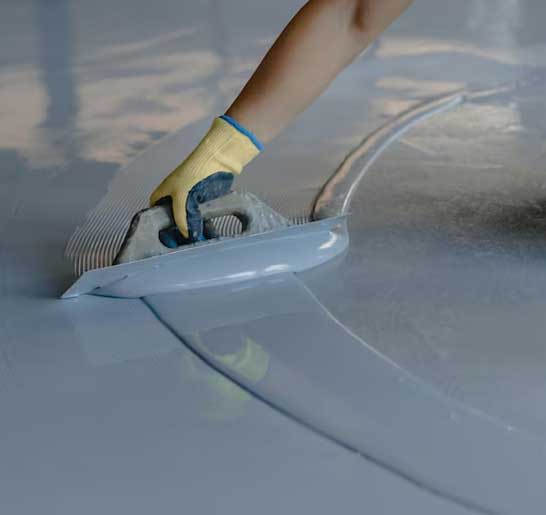
Not all waterproofing materials are the same. The performance of waterproofing depends heavily on product quality.
Dr Terrace Waterproofing uses high-performance membranes and protective coatings designed to handle heavy rain, UV exposure, and temperature changes. Inferior materials may crack, shrink, or lose adhesion over time.
Flexible waterproofing systems are especially important for terraces because they adapt to expansion and contraction caused by weather conditions. Choosing quality materials ensures durability and reliability.
How Waterproofing Protects Electrical and Structural Systems
Water leakage doesn’t only damage walls and ceilings. It can also affect electrical wiring hidden inside slabs and walls. Moisture exposure increases the risk of short circuits and safety hazards.
Additionally, water reaching reinforcement steel bars causes rust formation. As rust expands, it weakens the structural strength of beams and columns.
By applying professional terrace, roof, and wall waterproofing systems, Dr Terrace Waterproofing helps prevent hidden internal damage that could compromise safety.
Residential vs Commercial Waterproofing Needs
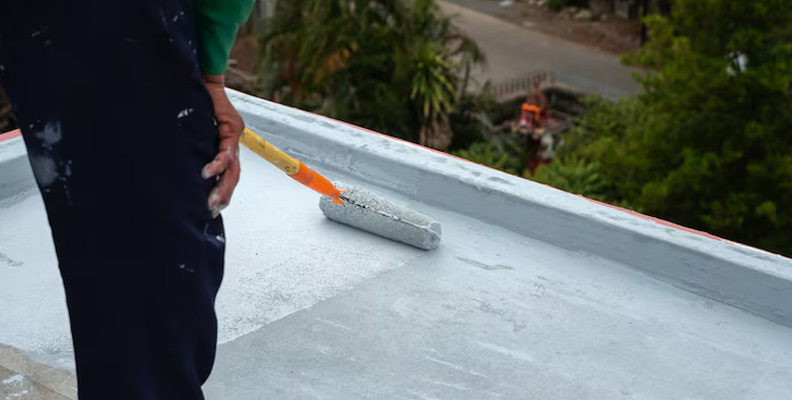
Residential buildings typically require terrace waterproofing, bathroom sealing, and wall protection. These areas are most vulnerable to leakage.
Commercial buildings, however, often have larger roof areas, heavy HVAC installations, and more complex drainage systems. This demands advanced waterproofing methods and careful planning.
Dr Terrace Waterproofing provides customized solutions based on building type, usage, and exposure level, ensuring appropriate protection for every property.
The Role of Surface Preparation in Waterproofing
One of the most critical steps in waterproofing is surface preparation. Without proper cleaning and crack repair, even the best materials may fail.
The process usually includes:
- Removing dust and debris
- Repairing cracks and damaged areas
- Ensuring proper slope for water drainage
- Allowing sufficient curing time
Dr Terrace Waterproofing emphasizes preparation because it directly impacts the performance and lifespan of the waterproofing system.
Protect Your Investment Before It’s Too Late
Buildings are long-term investments. Ignoring waterproofing issues can reduce property value and increase maintenance costs over time.
Preventive waterproofing ensures:
- Structural stability
- Interior protection
- Improved resale value
- Reduced repair expenses
Taking action early helps avoid unexpected damage during heavy rainfall.
Conclusion
Waterproofing is not just about stopping leaks — it is about protecting your building’s foundation, safety, and future. Small signs of dampness should never be ignored.
Dr Terrace Waterproofing delivers reliable, durable, and professional waterproofing solutions designed to handle challenging weather conditions. With proper inspection, quality materials, and expert application, your property can remain safe and leak-free for years.

FAQs
1. Can waterproofing be done without removing existing tiles?
Yes, in many cases, modern waterproofing systems can be applied without removing tiles, depending on the condition of the surface.
2. How soon can I use the terrace after waterproofing?
Usage time depends on the material used, but generally, the terrace can be used after proper curing, usually within a few days.
3. Does waterproofing reduce heat inside the building?
Certain reflective coatings help reduce heat absorption and improve indoor comfort.
4. What causes repeated terrace leakage?
Poor slope, clogged drainage, low-quality materials, and improper application are common reasons for recurring leakage.
5. Is professional waterproofing worth the investment?
Yes, professional waterproofing prevents structural damage, reduces long-term costs, and ensures building safety.