
Overhead tanks store a huge volume of water, and even a small crack can lead to major structural problems. Leakage from tanks can seep into walls, ceilings, and nearby rooms.
At Dr Terrace Waterproofing, we offer safe and effective waterproofing for all types of tanks—concrete, plastic, or brick.
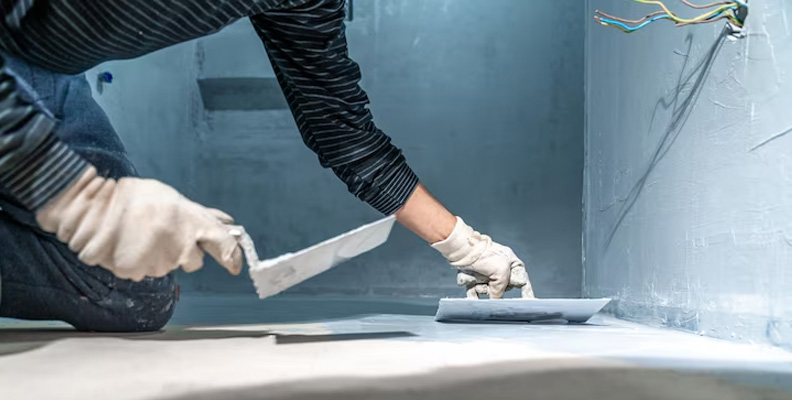
Why Overhead Tank Waterproofing Is Necessary
- Prevents seepage into the building
- Protects the structure from moisture
- Stops algae growth
- Maintains hygiene
- Increases tank lifespan
- Reduces maintenance cost
Common Causes of Tank Leakage
- Concrete cracks
- Poor plastering
- Chemical reactions with water
- Tank aging
- Weak joints
Our Waterproofing Process
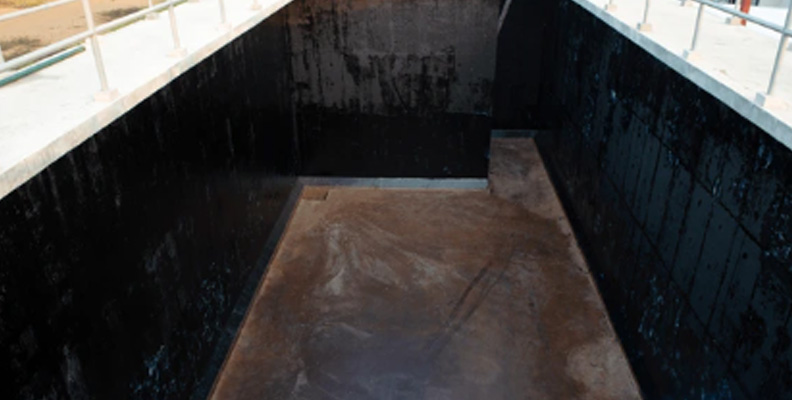
⭐ 1. Cleaning & Surface Preparation
We remove algae, dirt, and weak concrete.
⭐ 2. Crack Filling
We use waterproof sealants to repair all visible cracks.
⭐ 3. Internal Food-Grade Coating
Safe for drinking water.
⭐ 4. External Waterproof Layer
Protects against rain and moisture.
⭐ 5. Leak Testing
We fill the tank to test if the coating is effective.